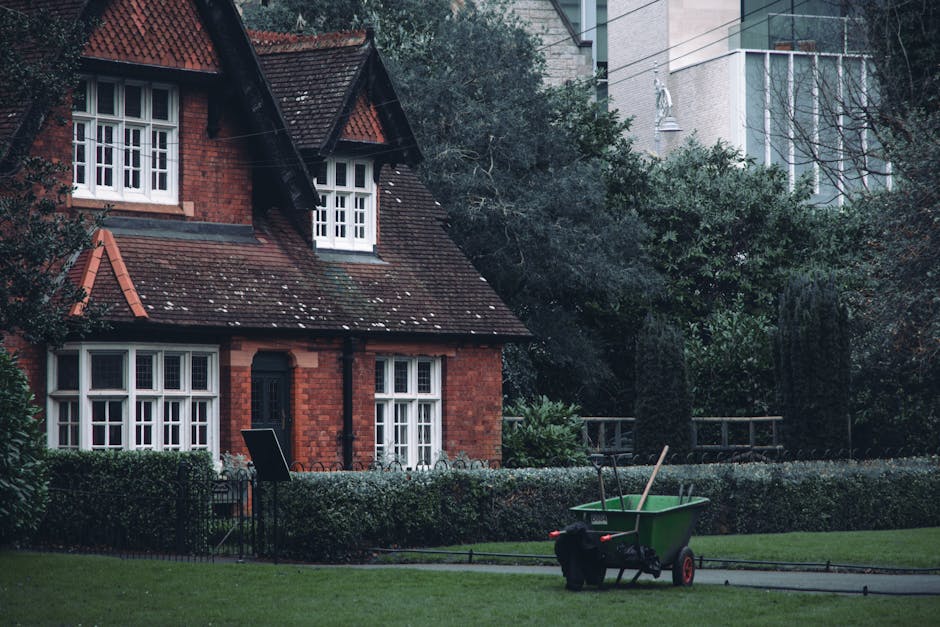
Garden maintenance for Leatherhead Road Chessington

If your garden on Leatherhead Road is starting to feel a bit unruly, you are not alone. Between fast-growing hedges, tired lawns, leaves piling up after a windy week, and the odd corner that somehow turns into a jungle by Thursday, garden maintenance can slip down the list quickly. The good news? A well-kept outdoor space does not need to be complicated. With the right approach to garden maintenance for Leatherhead Road Chessington, you can keep things tidy, healthy, and easier to live with all year round.
This guide explains what regular garden maintenance actually involves, why it matters in a busy local setting, how a sensible routine works, and what to look for if you want reliable help. It also covers common mistakes, practical checklists, and the sort of best practice that saves time later. Truth be told, a little consistent care beats a frantic weekend clear-up every time.
Why Garden maintenance for Leatherhead Road Chessington Matters
Garden maintenance is not just about making things look neat, although that is part of it. It is the ongoing care that keeps lawns, borders, hedges, shrubs, and hard-to-reach corners in good condition. On a road like Leatherhead Road, where front gardens, side access, and boundary planting can be exposed to traffic dust, weather, and steady footfall, a garden can deteriorate faster than people expect.
A neglected garden tends to build problems quietly. Grass gets patchy, weeds seed themselves into paving joints, hedges thicken unevenly, and dead material gathers under shrubs. Before long, a small amount of neglect becomes a bigger job. And bigger jobs, let's face it, are more expensive and more annoying.
There is also a practical side. A tidy front garden improves the first impression of your home, but it also makes daily life easier. You can see path edges clearly, keep access routes safer, and reduce the chance of slip hazards from moss, leaves, or overgrown plants. In a local area with mixed property styles and changing seasons, consistency matters more than dramatic one-off work.
For homeowners who want the basics handled properly, a regular maintenance routine often pairs well with more specific services such as lawn mowing, hedge trimming, or a broader garden maintenance service when the garden needs a fuller hand.
Expert summary: the best-looking gardens are usually not the ones with the biggest makeover; they are the ones with steady, sensible maintenance that stops small problems from snowballing.
How Garden maintenance for Leatherhead Road Chessington Works
In practical terms, garden maintenance is a repeatable set of tasks chosen to suit the season, the size of the garden, and the current condition of the space. A good maintenance plan is not a rigid checklist copied from somewhere else. It is built around what your garden actually needs.
A typical visit may include grass cutting, edging, hedge trimming, weed control, pruning, clearing leaves, deadheading flowers, collecting green waste, and checking for areas that need extra attention. Some gardens also need light reshaping, path clearing, or attention around fences and structures. If the site has become heavily overgrown, a one-off reset such as garden clearance may be the smarter starting point before regular maintenance begins.
There is a rhythm to it. Spring is often about recovery and growth control. Summer brings faster growth and more frequent mowing or trimming. Autumn is leaf-heavy and can be messy in a very determined way. Winter is quieter, but it is still the time for structural checks, debris removal, and keeping surfaces clear. Some weeks you may only need light work; other weeks, the garden will seem to demand everything at once. That happens.
Where a garden includes larger planting schemes, built features, or tired areas that need improvement rather than just upkeep, it can make sense to combine maintenance with landscape gardening or landscaping. Maintenance keeps it healthy; landscaping improves the framework underneath.
Key Benefits and Practical Advantages
Good garden maintenance gives you more than a presentable lawn. It helps the garden function properly day to day. That sounds simple, but it is the bit people notice most once it is sorted.
- Better curb appeal: tidy edges, controlled hedges, and healthy planting make the whole property feel cared for.
- Healthier growth: pruning, feeding, and clearing dead material help plants grow with less stress.
- Lower long-term effort: regular small jobs prevent the kind of overgrowth that takes hours to correct.
- Safer surfaces: leaf clearing, moss reduction, and debris removal help paths and patios stay usable.
- More usable space: a maintained garden is easier to enjoy, whether you want a quiet seat outside or room for children and pets.
- Better value from planting and hard landscaping: features last longer when they are not left to fend for themselves.
There is also a calmness to a maintained garden that people underestimate. You step outside with a mug of tea and do not immediately see a list of chores. That matters more than it sounds like it should.
If your garden includes timber features such as decking, regular upkeep helps protect surrounding planting and keeps the whole area balanced. For more on that side of things, the site's decking services can be relevant when surface areas need improvement alongside the garden itself.
Who This Is For and When It Makes Sense
Garden maintenance for Leatherhead Road Chessington makes sense for quite a wide range of people. It is not only for busy professionals or older homeowners, though both groups often benefit from it. It is also useful for landlords, letting agents, new movers, families with limited time, and anyone whose garden has outgrown their weekend energy.
It may be the right choice if:
- you want the garden to stay presentable all year
- the lawn is becoming patchy or hard to keep under control
- hedges and shrubs are starting to block light or access
- you have weeds, moss, or leaf build-up returning constantly
- the garden is large enough that mowing and tidying take too long to manage comfortably
- you are preparing a property for sale, rent, or a family gathering
There is also a difference between a garden that just needs maintenance and one that needs a reset. If the space is cluttered with broken items, accumulated waste, or dense overgrowth, the better first move may be a proper clearance before switching to routine visits. A lot of people try to maintain a garden that actually needs clearing. It is a bit like polishing a muddy boot and calling it done.
For properties with regular foot traffic or businesses with exterior areas, maintaining tidy boundaries and access routes is especially worthwhile. Even a small front space can change the way a place feels.
Step-by-Step Guidance
If you want a sensible way to approach garden maintenance, start with the basics and work outward. Do not try to fix everything in one go unless the garden is very small. That usually ends in sore shoulders and half-finished borders.
- Assess the current condition. Look at grass length, hedge density, weeds, dead plants, leaf cover, and any damaged areas.
- Separate routine tasks from recovery tasks. Routine tasks are mowing, edging, light pruning, and weeding. Recovery tasks might include clearance, reshaping, or removing heavy growth.
- Set the right frequency. Fast-growing gardens may need weekly or fortnightly attention in peak season; quieter gardens may only need monthly visits.
- Prioritise safety and access. Clear paths, steps, and entrances first. You want the garden to be usable while it is being improved.
- Trim in the right order. Cut back hedges and shrubs before mowing, then deal with borders and edges. This keeps the finish cleaner.
- Collect and remove waste properly. Leaving piles of clippings or branches behind can undo the tidy effect fast.
- Review seasonal needs. Check whether the garden needs feeding, mulching, or a different cutting schedule.
A practical example: a front garden on Leatherhead Road with a narrow path, a mature hedge, and a small lawn may only need a light visit every couple of weeks in spring and summer. But if the hedge drops clippings over the path and the lawn edges disappear, the real issue is not the mowing alone. It is the sequence. Get the hedge, edges, and waste sorted properly and the whole place looks three times better. Easy to say, not always easy to do, but still true.
Expert Tips for Better Results
If you want better results from garden maintenance, a few small habits make a big difference. None of them are dramatic. That is the point.
- Work with the seasons, not against them. Heavy pruning at the wrong time can stress plants or spoil the shape you want.
- Keep edges crisp. Clean lawn edges are one of the quickest ways to make a garden look maintained.
- Do not overcut lawns. Cutting too short weakens grass, especially in dry or shaded spots.
- Trim a little and often. Regular hedge trimming is easier than tackling a huge overgrown hedge in one session.
- Leave room for airflow. Crowded planting can hold moisture and encourage disease problems.
- Use the right waste routine. Green waste, branches, and mixed rubbish should not be treated the same way.
One thing people sometimes miss: gardens on exposed roads can dry out faster and collect more dust than more sheltered plots. You may need to water, mulch, or simply observe the garden a bit more closely during warmer spells. A quick look in the evening can tell you a lot. Yellowing edges, limp growth, and dusty leaves are all little clues.
And yes, a pair of decent gloves saves more arguments with nettles than any motivational speech ever will.
Common Mistakes to Avoid
Most garden problems do not begin as disasters. They begin as small, repeated errors. The good news is that they are easy to spot once you know what to look for.
- Waiting too long between visits: once growth gets away, maintenance becomes heavier and less predictable.
- Cutting everything at the same height: different plants have different needs. A hedge is not a lawn, despite what some rushed jobs suggest.
- Ignoring waste removal: clippings left on beds or paths can smother growth and look untidy within hours.
- Using the wrong tools: blunt blades and weak equipment give a poor finish and can damage plants.
- Forgetting the boring bits: edging, sweeping, and checking corners matter more than people think.
- Trying to maintain a garden that first needs clearance: a clear-up first is often the cheaper, calmer route.
Another common trap is focusing only on what is visible from the road. Side access, rear borders, sheds, fence lines, and behind-bin areas are often where the real mess builds up. You know the kind of place. One quick glance and suddenly the whole afternoon is gone.
Tools, Resources and Recommendations
A tidy garden does not always require a huge toolkit, but the right tools do make the work cleaner and safer. For a household setup, the essentials are usually enough:
- lawn mower suitable for the size of the garden
- hedge trimmer or secateurs for controlled cutting
- pruning saw for thicker woody stems
- leaf rake and stiff broom
- garden gloves and sturdy footwear
- loppers for awkward branches
- waste bags or containers for collected debris
For more complex gardens, especially those with mature trees, awkward access, or heavy seasonal debris, it can be worth combining routine care with specialist help. Services such as tree lopping and removal may be needed where branches are unsafe, overextended, or creating too much shade. That is not a job to guess at.
Similarly, if the garden includes substantial boundary growth, dense hedging, or repeated overhang into paths, a dedicated trimming visit is often a better investment than trying to chip away at it with household tools. The finish tends to be better too. Less wobble. Less mess.
For a fuller view of what is available, the services overview is a useful place to understand how different garden tasks fit together.
Law, Compliance, Standards, or Best Practice
Garden maintenance is not usually a heavily regulated activity in the way some trades are, but that does not mean standards do not matter. Good practice still matters a great deal, especially where ladders, cutting equipment, waste handling, or tree work is involved.
In the UK, a sensible approach is to make sure any work is carried out with care, suitable equipment, and proper attention to safety. For example, hedge and shrub work should avoid damaging nesting wildlife, and tree work should be assessed carefully if it involves height, weight, or unstable growth. If in doubt, cautious timing and a measured approach are better than rushing.
It is also sensible to ask about insurance, waste handling, and how a provider manages risk on site. A company's insurance and safety information can give useful reassurance, especially if the work includes sharp tools, access issues, or larger pruning jobs. If you want to understand how your information or payments are handled during an enquiry, the site's payment and security and privacy policy pages are there for reference as well.
Best practice is straightforward: assess first, work safely, remove waste properly, and avoid overpromising what can be done in one visit. That alone separates a careful service from a slapdash one.
Options, Methods, or Comparison Table
Not every garden needs the same level of input. Here is a simple comparison to help you decide what approach fits best.
| Approach | Best for | Typical focus | When it works best |
|---|---|---|---|
| Basic upkeep | Smaller, tidy gardens | Mowing, edging, light weeding, leaf clearing | Where growth is under control and the garden only needs regular attention |
| Routine maintenance | Most homes and rental properties | Ongoing mowing, pruning, hedge cutting, seasonal tidying | When you want the space to stay consistently presentable |
| Maintenance plus clearance | Overgrown or neglected gardens | Initial reset, waste removal, then scheduled visits | When the garden has slipped too far for standard upkeep alone |
| Maintenance plus landscaping | Gardens needing improvement as well as care | Planting changes, layout fixes, hard landscaping, refreshed structure | When the garden looks tired, awkward, or poorly arranged |
If you are unsure which route to take, start with the question: does the garden mainly need tidying, or does it need reworking? That simple distinction saves a lot of confusion.
Case Study or Real-World Example
Imagine a semi-detached home near Leatherhead Road with a modest front lawn, a long hedge along the boundary, and a rear garden that gets used on weekends. At first glance, it seems manageable. In reality, the hedge drops clippings, the lawn edge disappears into the border, and autumn leaves gather behind the shed. Nothing dramatic. Just enough to stay annoying.
The first visit focuses on the basics: a proper mow, hedge trimming, weeding along the path, and a full tidy-up of the edges. The garden immediately looks bigger. That is often what people notice first. Not fancier. Just lighter and clearer.
After that, a regular maintenance rhythm is set: lawn care during the growing season, hedge checks at the right intervals, and seasonal leaf clearing. If a section becomes cluttered again, it is dealt with before it turns into a bigger job. The owner spends less time wrestling with the garden, and the outdoor space becomes usable instead of something that always needs "doing."
That is the real win. A garden that does not constantly ask for attention. Well, not too loudly anyway.
Practical Checklist
Use this checklist if you want to assess whether your garden is ready for a maintenance visit or simply overdue for one.
- Is the lawn growing unevenly or looking thin in places?
- Are hedges blocking light, windows, paths, or access points?
- Are weeds appearing in borders, paving joints, or along fences?
- Has leaf litter or general debris built up in corners?
- Are shrubs or small trees touching walls, roofs, or fences?
- Do paths or steps need sweeping and clearing?
- Is there a mix of routine tidying and heavier clearance work needed?
- Do you need a one-off reset before regular upkeep begins?
- Would you benefit from a broader service plan rather than ad hoc DIY jobs?
- Do you want the garden to stay manageable rather than become a weekend project every month?
If you answered yes to several of those, you probably already know the garden needs more than a quick once-over. That is fine. Most gardens do at some point.
Get a free quote today and see how much you can save.
Conclusion
Garden maintenance for Leatherhead Road Chessington is really about staying ahead of problems rather than chasing them. The right approach keeps lawns healthier, hedges neater, access safer, and the whole outdoor space easier to enjoy. It also gives you back time, which, if we are honest, is one of the main things people want from any home service.
Whether your garden only needs regular mowing and tidying or a fuller reset before ongoing care begins, the best results come from a steady plan, not a heroic one-off effort. Keep it simple, keep it regular, and act before the small issues turn stubborn.
And if the garden has got away from you a bit, that is completely normal. It happens. The good part is that a thoughtful maintenance routine can put things back on track without drama.
Frequently Asked Questions
What does garden maintenance usually include?
It usually includes lawn mowing, hedge trimming, weeding, edging, leaf clearing, pruning, and general tidying. The exact mix depends on the garden's size, season, and condition.
How often should a garden on Leatherhead Road be maintained?
It depends on growth rate and how much use the garden gets. In peak growing months, many gardens need attention every one to two weeks. Quieter gardens may need less frequent visits.
Do I need garden clearance before regular maintenance?
If the garden is heavily overgrown, cluttered, or full of waste, yes, a clearance stage is often the better starting point. Routine maintenance works best once the space is back under control.
Is hedge trimming part of garden maintenance?
Yes, very often. Hedges are one of the biggest visual features in a front or back garden, so keeping them neat makes a big difference to the overall look.
Can garden maintenance help with weed problems?
It can reduce them significantly. Regular weeding, border care, and tidy edges stop weeds from establishing as easily, although some stubborn areas may need repeated attention.
What is the difference between landscaping and garden maintenance?
Maintenance keeps the garden in good condition. Landscaping changes or improves the structure, layout, or features of the garden. They often work well together, but they are not the same job.
Will garden maintenance include waste removal?
It should, if that is agreed in advance. A proper tidy-up usually includes collecting clippings, branches, and other green waste so the work looks finished rather than half-done.
Is there a best time of year to start garden maintenance?
There is no bad time to start, but spring is often a sensible moment because growth picks up and the garden benefits from early attention. Autumn is also useful for clearing leaves and getting ahead of winter mess.
What should I ask before booking garden maintenance?
Ask what is included, how waste is handled, whether the work is one-off or recurring, and whether any safety or insurance information is available. It helps avoid misunderstandings later.
Can maintenance be combined with other services?
Yes. Many gardens benefit from a mix of regular upkeep and occasional support such as lawn care, hedge work, clearance, or even decking-related improvements if the garden layout needs attention too.
How do I know whether my garden needs maintenance or a bigger overhaul?
If the space is mostly healthy but untidy, maintenance is usually enough. If there is structural damage, severe overgrowth, or awkward layout issues, a bigger improvement plan may make more sense.
How do I get started if my garden has been ignored for months?
Start with an honest assessment. If the job feels too big, begin with clearance and then move into a maintenance schedule. That way, you are not trying to do everything at once, which rarely ends well.
Where can I learn more about the company and its policies?
You can review the site's about us, health and safety policy, and recycling and sustainability pages for additional background and practical reassurance.