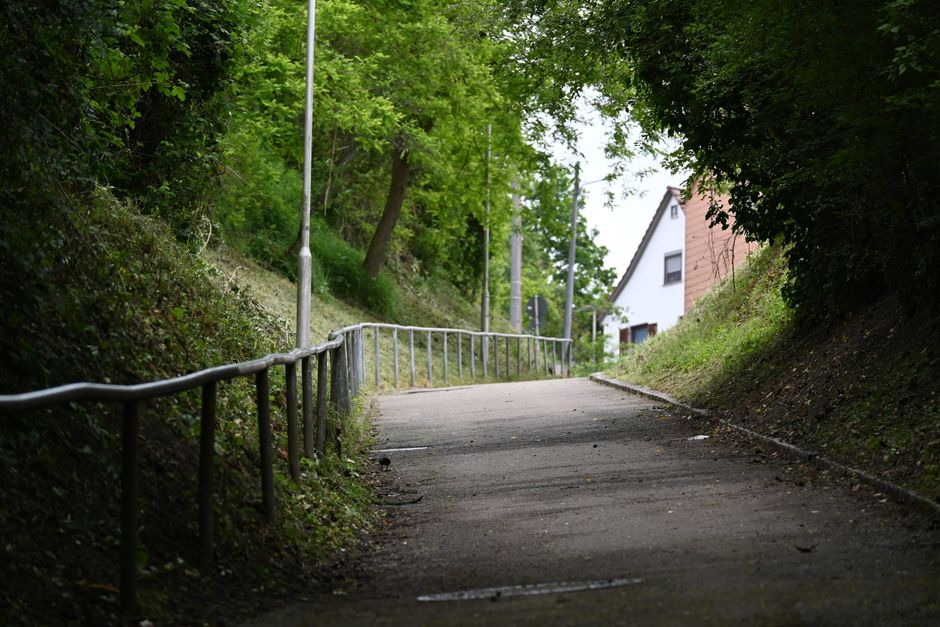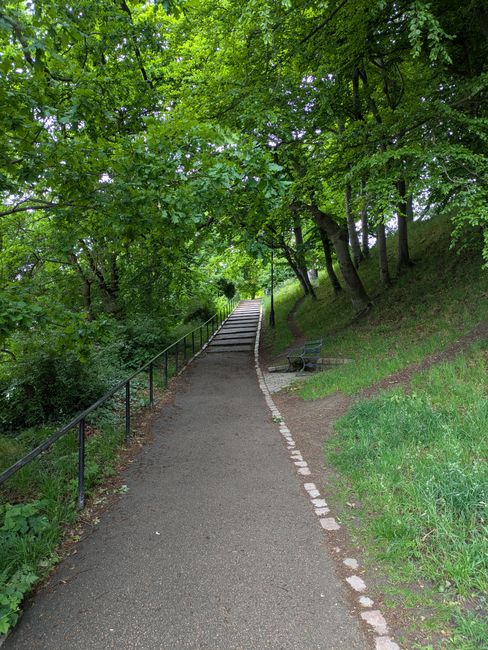
Steep access problems in Chessington: how gardeners avoid delays
Steep access can turn a straightforward garden job into a slow, awkward day out. In Chessington, that often means sloping drives, narrow side paths, awkward rear entrances, heavy materials, and a job that looks simple from the road but feels very different once you're on site. If you have ever wondered why some garden projects seem to run smoothly while others drag on, the answer is usually in the access planning.
This article explains steep access problems in Chessington how gardeners avoid delays in plain English. We'll look at why access matters, how experienced gardeners plan around it, what slows work down, and the practical steps that help avoid those frustrating hold-ups. You'll also find a checklist, a comparison table, and a realistic example of how a well-run job is managed from start to finish. Let's face it: when the path is steep and the wheelbarrow has a mind of its own, a little planning goes a long way.
Why steep access problems in Chessington matter
Access is one of those things people often notice only after work has started. Before that, it can seem like a small detail. But on a steep or awkward site, access affects almost everything: how long the job takes, how many people are needed, which tools can be used, where waste can be carried, and how safely the team can move around the garden.
In Chessington, access issues can show up in a few familiar ways. A garden may sit above street level. A side return might be narrow with steps. There may be a long carry from the van to the work area. Or the back gate might be fine for a person, but not for a mower, a mower bag, or a load of green waste. When that happens, delays are usually caused by repeated small frictions rather than one big problem. A few extra trips here, a awkward turn there, and suddenly the schedule slips.
That matters for homeowners because delays can disrupt your day, increase noise and foot traffic, and leave half-finished work sitting out overnight. It matters for gardeners because they need to keep the site safe and stay efficient. And it matters for the garden itself, because rushed movement on slopes can damage turf, borders, steps, and edging.
Practical summary: steep access is not just a logistics issue; it is a time, safety, and quality issue. The better the access plan, the smoother the job tends to run.
To be fair, most delays on steep sites are avoidable. Not all of them, of course. Weather has a say, and so do hidden site issues. But good planning makes the difference between a garden job that feels controlled and one that feels like a muddy juggling act.
How steep access problems in Chessington how gardeners avoid delays works
The basic idea is simple: experienced gardeners reduce uncertainty before they arrive, and they reduce physical effort once they are on site. That usually starts with a proper pre-visit conversation. They ask where the access point is, whether there are steps, how wide the route is, whether waste needs to come out through the house or side passage, and whether the slope is firm or slippery.
From there, they make decisions that save time on the day. For example, they may split equipment into lighter loads, bring compact tools instead of large ones, or schedule the task so the heaviest lifting happens first, before fatigue builds up. On a steep garden, fatigue is no joke. A worker who has climbed a slope ten times with heavy bags is not working at the same speed as someone on level ground. Truth be told, nobody is.
Gardeners also think in routes, not just tasks. They work out the cleanest path between the van, the waste pile, the cutting area, and the exit point. That route might change during the day, especially on a site where the ground gets muddier or the weather shifts from dry to damp. A good crew adapts quickly. A less prepared crew keeps improvising, and that's where time disappears.
If the job involves larger changes such as garden redesign, hard landscaping, or structural work, access planning becomes even more important. It may be worth looking at landscape gardening support or broader landscaping services when a steep plot needs more than routine maintenance.
There is also the question of waste. Green waste, cuttings, soil, timber, and old materials all need to be moved out without creating a mess or a hazard. For larger clearances, a planned route and staged loading often prevent the kind of bottleneck that makes a simple job drag. If the site is particularly cluttered, garden clearance can be the sensible starting point before regular maintenance resumes.
Key benefits and practical advantages
Good access planning is not glamorous. Nobody posts a photo of a well-placed wheelbarrow route on a Tuesday morning. But it pays off in real, practical ways.
- Fewer delays: less time lost moving equipment, trimming the wrong way, or redoing awkward sections.
- Safer working: reduced risk of slips, trips, strains, and accidents on slopes or steps.
- Cleaner finish: better access control means less damage to lawns, edges, and paving.
- Better value: time saved on site usually means a more efficient job overall.
- Less disruption: neighbours, occupants, and pets are affected less when work is organised.
- More accurate scheduling: once access is understood, the team can give a more realistic time estimate.
There is another advantage that people often overlook: morale. A job that flows properly is usually a better job. Staff can concentrate on quality rather than constantly wrestling with the site. That sounds small, but it really isn't. On steep access jobs, confidence and rhythm matter.
For ongoing work, the benefits become even clearer. If a garden is looked after regularly, it takes less time each visit. Overgrown beds, heavy hedge growth, and long grass all make access harder because they add bulk. A sensible schedule for garden maintenance or lawn mowing can reduce the physical load and help the team keep moving without constant stop-start delays.
Who this is for and when it makes sense
This topic matters to a lot of different people, not just those with very steep gardens. If you live in Chessington and your garden has any kind of tricky access, it is worth thinking ahead.
It is especially relevant if you are:
- a homeowner with a rear garden reached only by side access or steps
- a landlord arranging work between tenancies
- a property manager balancing speed, safety, and presentation
- someone preparing a garden for seasonal use, sale, or renovation
- a customer who has had previous delays because tools and waste were hard to move
It also makes sense if you know the site is likely to need heavier work, such as hedge reduction, tree work, or major clearance. Jobs involving height, bulk, or repeated lifting tend to expose access problems quickly. A hedge may look tidy from the front, but once cuttings start piling up, you discover the true shape of the problem. Happens all the time.
For example, if the slope is not only steep but also awkwardly surfaced, trimming and clearance may need extra care. In that case, hedge trimming and tree lopping and removal can be planned around the site conditions rather than forcing a one-size-fits-all method.
Step-by-step guidance
If you want to reduce delays on a steep-access garden job, the process usually follows a sensible pattern. It is not fancy. Just disciplined.
- Assess the access before the visit. Share photos, a short description, and any awkward details such as steps, narrow gates, or long carries. If the garden has multiple levels, mention that early.
- Separate the job into movement and work zones. Where will tools be dropped? Where will cuttings be stacked? Where can waste be loaded without blocking the route?
- Choose the right equipment. Compact tools, lightweight bags, sturdy gloves, and practical transport aids all matter. Large gear is not always better on steep ground.
- Plan the sequence. Heavy cuttings or waste are often handled early, before the route gets messy. Fine detail work may come later.
- Protect the access route. Boards, mats, or careful foot placement can help prevent damage and slipping, particularly after rain.
- Keep waste moving. Do not let cuttings, soil, and debris build up in the wrong place. A tidy route is a faster route.
- Review as you go. If a route turns out to be worse than expected, change it. A small adjustment at 10 a.m. can save an afternoon of frustration.
If you are managing a larger project, it helps to compare services and scope before work starts. A quick look at the site plan and the relevant services overview can help you see whether maintenance, clearance, or a broader landscaping approach is the better fit.
A simple example: a crew arrives to prune shrubs on a terrace garden with three stone steps and a narrow side path. Instead of carrying large bundles straight away, they first clear a safe standing area, place tools close to the access point, and reduce each load to manageable size. It takes a little longer in setup. Then the whole job moves faster. That is the trick, really.
Expert tips for better results
These are the small choices that separate a smooth day from a frustrating one.
- Ask for photos from the right angle. A wide shot helps, but a photo of the access route itself is even better.
- Watch the weather forecast. A slope that feels manageable when dry can become slippery fast after rain. Early morning frost can do the same.
- Use smaller, repeatable loads. It may sound slower, but on steep ground it is often quicker overall because you avoid strain and spills.
- Keep the route clear at all times. A tidy access path reduces stop-start movement and lowers risk.
- Match the task to the terrain. Some work is better done in sections rather than trying to complete one big sweep.
- Be honest about difficulty. A client who says, "It's just a little slope," may mean something very different from a gardener's definition of little. No offence to clients, but that happens.
One useful habit is to think in terms of return trips. How many times will the team need to go up and down the slope? If the answer is "too many," the plan probably needs refining. This is why regular upkeep matters: a well-maintained garden is physically easier to navigate, and it also looks better between visits.
For gardens where rough growth is creating extra bulk and blocking paths, recurring upkeep through garden maintenance can stop the site from becoming a self-made obstacle course.
Common mistakes to avoid
Most access delays come from avoidable assumptions. The common ones are easy to spot once you know what to look for.
- Assuming the rear gate is enough. A gate opening is not the same as a usable route for heavy materials.
- Underestimating the slope. A garden may look gentle on a quick visit, then feel much steeper once someone is carrying a full bag of waste.
- Leaving waste until the end. If nothing is moved until the final hour, the route becomes crowded and slower to use.
- Ignoring surface conditions. Wet concrete, mossy paving, loose gravel, or muddy grass can change the working plan quite dramatically.
- Bringing oversized equipment. Large machines are useful in the right setting, but they can be a pain on tight access.
- Not telling the gardener about pets, gates, or parking constraints. Small details matter a lot more than people think.
Another mistake is trying to force a normal working rhythm onto a difficult site. On a flat, open garden, that may be fine. On a steep plot in Chessington with tight access, it can waste time very quickly. Better to work with the site than fight it.
And yes, sometimes the biggest delay is the "quick" solution someone suggested in the first place. Been there, seen that.
Tools, resources and recommendations
You do not need specialised machinery for every steep garden, but the right practical tools make a big difference.
- Compact hand tools: easier to carry and less awkward on narrow routes.
- Lightweight waste sacks or containers: reduce the chance of overloading and spilling.
- Sturdy gloves and footwear: useful on slippery steps, wet grass, and uneven paths.
- Wheelbarrows or carry aids: helpful, but only if the route is suitable. A wheelbarrow on a steep, narrow run can be more trouble than it is worth.
- Ground protection materials: useful for sensitive surfaces, particularly where repeated foot traffic could mark paving or turf.
- Clear bin and waste planning: useful when clearance work is involved and materials need sorting before removal.
On the organisational side, it helps to use a simple site note or checklist before the appointment. That can sit alongside your booking details and clarify access, parking, gate widths, and any restricted times. If you want to understand how enquiries, quotes, and payments are handled, the pages on pricing and quotes and payment and security are useful places to review expectations before the job begins.
For customers who care about the wider environmental side of garden work, it is also worth considering how green waste is sorted and handled. The recycling and sustainability information helps set that expectation in a straightforward way.
Law, compliance, standards, or best practice
For steep access work, the main concern is usually not a complicated legal issue; it is safe, sensible practice. In the UK, gardeners and landscaping teams are expected to work carefully, use appropriate equipment, and avoid putting people or property at unnecessary risk. That includes being realistic about access, lifting, and site conditions.
Best practice usually includes:
- carrying out a sensible pre-job assessment
- using safe manual handling methods
- keeping routes clear and reducing trip hazards
- stopping work if conditions become unsafe
- making sure the scope of work matches the site conditions
Insurance and risk awareness matter as well. If a sloping path, step, or weak surface could be damaged or create a hazard, that should be considered before work starts, not after. The same goes for access through shared areas or entry points where care is needed around neighbours and visitors. For more detail on the company's approach to safety, the insurance and safety and health and safety policy pages are worth reviewing.
There is also an accessibility angle. A steep or awkward route is not just inconvenient; for some people it may be a real barrier. Clear communication and practical alternatives matter. If you want to understand how the business approaches accessibility, the accessibility statement explains that side of the service in a straightforward way.
Options, methods, or comparison table
There is rarely one perfect method for every steep-access garden. The right choice depends on the slope, the surface, the amount of material, and how much time is available. This table gives a simple comparison.
| Method | Best for | Strengths | Limitations |
|---|---|---|---|
| Carry in smaller loads | Steep gardens with narrow routes | Flexible, safe, easy to adjust on the day | Can take more trips if the job is large |
| Wheelbarrow transport | Routes with stable, wider access | Speeds up movement of waste and materials | Can be awkward or unsafe on tight slopes |
| Staged clearing | Overgrown or cluttered gardens | Keeps pathways open and reduces congestion | Needs planning and discipline |
| Split-team working | Bigger jobs with multiple tasks | Improves flow and reduces bottlenecks | Requires enough staff and coordination |
| Access-first planning | Sites with uncertain conditions | Prevents surprises and helps schedule accurately | Relies on good communication before arrival |
In many Chessington gardens, the best result comes from a mix of methods rather than one fixed approach. For example, a team might use smaller loads for a steep side path, then switch to a different route for bulky waste once the garden has been cleared down. Flexible thinking beats rigid habits every time.
Case study or real-world example
Here's a realistic example. A homeowner in Chessington wants a tired back garden cleared before spring planting. The access is awkward: a narrow side passage, two uneven steps, and a sloping return into the main garden. The client thinks the work will be simple, but the route makes every movement slower.
Before the visit, the gardener asks for photos of the side path, gate latch, and steps. They also ask whether the garden contains dense waste, old pots, or heavy items hidden under the growth. That last bit matters more than people expect. A pile of branches is one thing; a concealed slab or broken timber board is another.
On the day, the team brings lighter tools and starts by clearing a safe access lane. Waste is bagged in smaller loads rather than piling it up. The slope is used carefully, with frequent checks for loose footing. A few branches are cut down near the work area before being carried out, rather than moving large awkward shapes through the narrow route. The job takes steady, organised effort, and because the access plan was good, there are no surprise delays.
The result? Less strain, no damage to the path, and a cleaner finish. The client gets the garden ready for the next stage without that lingering "it's still half-finished" feeling. Simple example, but very real. These jobs go wrong when the access plan is an afterthought. They go right when it is treated as part of the work itself.
Practical checklist
Use this checklist before booking or starting a steep-access garden job in Chessington:
- Take clear photos of the main access route
- Note any steps, slopes, narrow gates, or low walls
- Measure gate width if you know it
- Explain whether waste must be carried through the house or side access
- Share parking restrictions or difficult unloading points
- Mention wet, mossy, uneven, or fragile surfaces
- List any large items, hidden debris, or heavy cuttings
- Confirm pets, locked gates, or time restrictions
- Ask whether the work can be staged to reduce bottlenecks
- Check whether regular maintenance could reduce future access problems
Quick reality check: if you are unsure whether the route is suitable, say so. Honest detail upfront usually saves the most time later.
Conclusion
Steep access does not have to mean slow progress. In Chessington, the gardeners who avoid delays are usually the ones who plan access properly, choose the right tools, and adapt calmly when the site throws up a surprise or two. That is really the heart of it. Good access planning keeps people safe, protects the garden, and helps the work move at a steady pace.
If your garden has a slope, steps, a narrow route, or a long carry, the smartest move is to treat access as part of the brief, not a side note. A few clear photos and a proper conversation can save a lot of muddle later. And if the job is bigger than simple upkeep, it may be worth exploring related services such as garden clearance, landscape gardening, or even decking services where access and layout need to work together.
Get a free quote today and see how much you can save.
When the route is planned well, the garden feels easier, the work feels calmer, and the whole day just moves better. That's worth getting right.
Frequently Asked Questions
What counts as a steep access problem in a garden?
It is usually any access route that makes carrying tools, waste, or materials slower, harder, or less safe. That might be a steep path, steps, a narrow side passage, or a long carry from the vehicle to the garden.
How do gardeners reduce delays on steep sites?
They plan the route in advance, bring suitable tools, split waste into manageable loads, and sequence the work so the hardest moving happens at the right time. The goal is to avoid constant stop-start movement.
Should I tell the gardener about access before the job starts?
Yes, definitely. A few photos and a short description can make a big difference. If the access is awkward and nobody mentions it, the whole day can be slowed down for no good reason.
Can a wheelbarrow be used on a steep path?
Sometimes, but not always. On a stable, wide route it can help. On a narrow, slippery, or sharply sloped route, it may be less safe than carrying smaller loads by hand.
Does steep access make a garden job more expensive?
It can, because the work may take longer and require more care. That said, the real answer depends on the site, the amount of work, and how complex the access is. It is best to ask for a proper quote based on the actual conditions.
What if the garden is hard to reach but only needs regular maintenance?
Regular maintenance is often the best way to stop access from becoming worse. If growth is cut back before it gets out of hand, the route tends to stay more manageable and the work is quicker each visit.
Is steep access a problem for hedge trimming and tree work?
Yes, it can be. These jobs often involve bulky waste and repeated movement, so a difficult access route can slow things down quite a bit. Planning and staging help a lot.
How much detail should I give when asking for a quote?
As much as you can, but keep it practical. Photos, gate width, steps, slope, parking, and any hidden obstacles are the most useful details. If you are not sure what matters, just describe the route as you experience it.
Can steep access damage my garden?
It can if the route is mishandled or if heavy equipment is pushed where it should not be. Good gardeners protect the access path, avoid unnecessary traffic, and use the safest working method for the site.
What should I ask a gardener about access planning?
Ask how they would move tools and waste, whether they need photos beforehand, and whether they think the job should be staged. Those questions often reveal whether they understand the site properly.
Do I need clearance before landscaping work on a steep garden?
Often, yes. If the garden is overgrown or cluttered, clearance first can make the rest of the project far easier. It is hard to build, shape, or level a space that is still full of old material.
Where can I check a business's approach to safety and service standards?
Look for clear information on health and safety, insurance, accessibility, and pricing. Those pages help show how the company handles risk, customer expectations, and practical service delivery.